

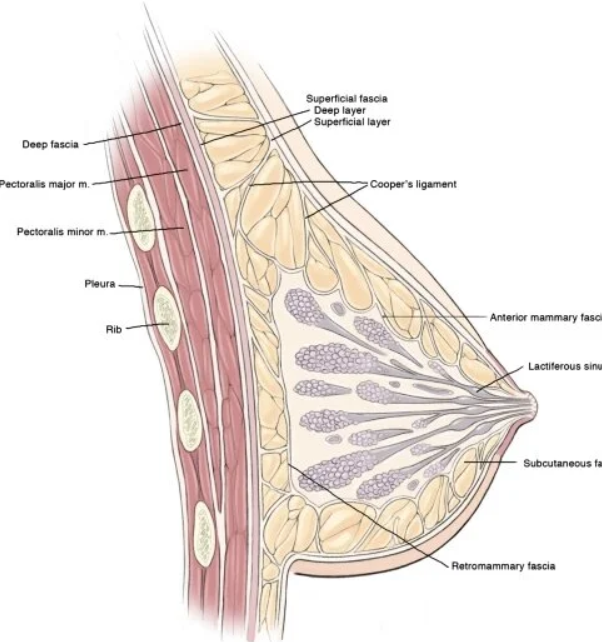
Breast reduction surgery provides long-lasting results by permanently removing excess breast tissue, fat, and skin, creating a more proportionate and comfortable breast size. Results typically last many years, often 10 to 15 years or longer, depending on individual factors. However, natural aging processes, hormonal changes, weight fluctuations, pregnancy, and lifestyle factors may gradually affect breast shape and firmness over time. Proper post-surgery care, maintaining stable weight, and following plastic surgeon recommendations help preserve surgical outcomes for maximum longevity.
How Breast Reduction Surgery Changes Breast Structure
Breast reduction surgery, medically known as reduction mammoplasty, reshapes the breasts by removing excess glandular tissue, fat, and skin while repositioning the nipple and areola to create a balanced, proportionate, and aesthetically pleasing breast contour.
During the procedure, plastic surgeons make carefully planned incisions to access underlying breast tissue. Excess tissue is then removed according to the patient’s desired size and the surgeon’s assessment of appropriate proportions. The remaining breast tissue is reshaped and lifted to create a firmer, more youthful appearance.
Key structural changes include removal of excess breast tissue, reshaping of breast contour, repositioning of the nipple and areola, and skin tightening. These permanent structural changes create the foundation for long-lasting results. Because actual tissue is removed rather than simply repositioned, the reduction in breast size is permanent. For comprehensive information about the surgical process, see Breast Reduction Surgery Explained: Procedure, Benefits, Risks, and Recovery.
How Long Breast Reduction Results Typically Last
Breast reduction surgery results are generally permanent because the excess breast tissue removed during the procedure does not regenerate. Most patients enjoy their improved breast size and shape for 10 to 15 years or longer, with many experiencing lasting benefits throughout their lifetime.
According to the American Society of Plastic Surgeons, breast reduction provides some of the highest patient satisfaction rates among cosmetic procedures, with long-term studies showing sustained improvement in both physical comfort and aesthetic appearance.
The permanence of results stems from the fact that breast tissue, once surgically removed, cannot grow back. The tissue removal is permanent, improvements in breast proportion persist, and long-lasting relief from physical discomfort continues for years. While the tissue removal is permanent, the remaining breast tissue continues to be subject to normal biological processes, including aging, hormonal influences, and changes in body weight.
Factors That Affect the Longevity of Breast Reduction Results
Several biological and lifestyle factors influence how long breast reduction results maintain their optimal appearance, with individual patient characteristics and post-surgery behaviors playing significant roles in outcome longevity.
Aging naturally causes skin to lose collagen and elastin, reducing firmness and elasticity. Hormonal fluctuations throughout a woman’s life can affect breast tissue composition and volume. Pregnancy causes significant breast enlargement, and after breastfeeding, breasts may not return to their immediate post-surgery appearance. Weight fluctuations increase or decrease fat deposits in breasts, affecting size and shape.
According to the Mayo Clinic, maintaining a stable weight is one of the most important factors for preserving cosmetic surgery results. Patients with naturally good skin elasticity tend to maintain breast reduction results longer.
| Factor | Impact on Results |
| Aging | Gradual skin laxity and reduced firmness over the years |
| Weight gain | Increased breast volume through fat accumulation |
| Pregnancy | Breast enlargement and potential sagging after breastfeeding |
| Hormonal changes | Temporary or permanent alterations in breast tissue |
| Skin elasticity | Better elasticity preserves shape longer |
How Aging Affects Breast Reduction Results
Aging naturally affects breast shape and firmness after reduction surgery because skin elasticity decreases progressively over time due to collagen degradation, elastin fiber breakdown, and the cumulative effects of gravity on breast tissue.
Collagen production decreases as we age, beginning in our mid-20s and accelerating after menopause. This leads to thinner, less resilient skin that cannot maintain the same level of firmness achieved immediately after surgery. Years of gravitational pull gradually stretch breast skin, and breast tissue composition shifts, with glandular tissue gradually replaced by softer fatty tissue.
According to the Cleveland Clinic, these aging effects occur more slowly in patients who maintain healthy lifestyles, protect their skin from sun damage, and avoid smoking. Despite these natural aging processes, most patients find that their breasts remain significantly improved compared to their pre-surgery state.
How Weight Changes Influence Breast Size After Surgery
Significant weight gain or weight loss can alter breast size and shape even after breast reduction surgery because breasts contain fatty tissue that increases with weight gain and decreases with weight loss, affecting overall breast volume.
When patients gain substantial weight after breast reduction, fat deposits accumulate throughout the body, including the breasts. This can increase breast size, though typically not to pre-surgery dimensions. Significant weight gain (typically 20 pounds or more) may noticeably increase breast volume and potentially compromise the aesthetic results achieved through surgery.
Substantial weight loss after breast reduction can decrease breast size as fat tissue is metabolized, sometimes leading to deflation or sagging appearance. Plastic surgeons typically recommend that patients be at or near their ideal weight before undergoing breast reduction surgery and commit to maintaining a relatively stable weight afterward.
How Pregnancy and Hormonal Changes Affect Breast Reduction Results
Pregnancy and hormonal fluctuations can increase breast size and alter breast shape after reduction surgery through hormonal stimulation of breast tissue, preparation for lactation, and structural changes associated with breastfeeding.
Pregnancy hormones stimulate breast tissue growth in preparation for milk production, which can significantly increase breast volume during pregnancy. Lactation further increases breast volume as milk-producing glands activate. After breastfeeding concludes, breasts typically decrease in size but may not return exactly to their immediate post-surgery appearance.
According to the NHS, most women can successfully breastfeed after breast reduction surgery, though milk production may be reduced if significant glandular tissue was removed. Plastic surgeons often recommend that women complete their families before undergoing breast reduction to avoid pregnancy-related changes that may compromise surgical results.
How to Maintain Breast Reduction Results for Longer
Maintaining breast reduction results requires adopting healthy lifestyle habits, providing proper breast support, following post-surgery care instructions, and attending regular follow-up appointments with plastic surgeons to monitor outcomes over time.
Keeping body weight relatively consistent prevents significant fat accumulation or loss in breast tissue. Well-fitted, supportive bras distribute breast weight evenly and reduce strain on supporting structures. Adhering to your plastic surgeon’s recovery guidelines promotes optimal healing.
For detailed recovery guidance, see Breast Reduction Recovery Timeline, What to Expect Week by Week.
Protecting breast skin from UV damage, maintaining hydration, regular moisturization, and avoiding smoking all help preserve breast shape. Regular follow-up appointments allow professional assessment of results and early identification of any concerns.
Scarring After Breast Reduction Surgery
Surgical incisions used during breast reduction leave visible scars, but these typically fade significantly over time with proper care, gradually becoming less noticeable as the healing process progresses through distinct phases of scar maturation.
The extent and location of scarring depend on the surgical technique used. Common scar patterns include anchor-shaped scars or vertical scars. For comprehensive information about expected scarring patterns, see What Scars Should You Expect After Breast Reduction Surgery?
Scars typically progress through predictable healing stages, appearing most visible initially, then gradually flattening and fading over 1-2 years. Silicone treatments, massage, sun protection, and laser treatments all help minimize scar visibility.
Surgical Techniques That Influence Long-Term Results
Different breast reduction surgical techniques affect long-term breast shape, scar placement, recovery speed, and overall outcome longevity, with technique selection depending on breast size, shape, skin quality, and desired reduction extent.
For detailed information about surgical methods, see Which Surgical Techniques Are Used in Breast Reduction Surgery? Methods and Incisions.
The traditional anchor technique allows maximum tissue removal and reshaping. Vertical reduction suits moderate reductions and often produces excellent long-term shape with reduced scarring. Liposuction-assisted techniques work best for smaller reductions with good skin elasticity.
Who Benefits Most from Long-Lasting Breast Reduction Results
Patients who maintain healthy lifestyles, follow surgeon guidance, keep stable body weight, and have realistic expectations about natural aging processes typically experience the longest-lasting breast reduction outcomes with the highest satisfaction levels.
Characteristics include completed family planning, stable weight, good skin elasticity, non-smoking status, realistic expectations, and commitment to maintenance. For information about ideal candidacy, see Who Is an Ideal Candidate for Breast Reduction Surgery?
Importance of Pre-Surgery Planning for Long-Term Results
Proper preparation and thorough consultation with experienced plastic surgeons help ensure optimal long-term surgical outcomes by addressing potential complications, setting realistic expectations, and establishing individualized surgical plans.
For comprehensive preparation guidance, see How to Prepare for Breast Reduction Surgery Consultation, Tests and Pre-Surgery Guidelines.
Breast Reduction vs Breast Lift Longevity
Breast reduction and breast lift procedures differ in their surgical goals and long-term outcome expectations, with reduction focusing on volume decrease and lift addressing sagging without significant size change.
For a comprehensive comparison, see Breast Reduction vs Breast Lift: Which Procedure Is Right for You?
Frequently Asked Questions
Are breast reduction results permanent?
Yes, breast reduction results are generally permanent because the breast tissue removed during surgery does not regenerate. The fundamental size reduction achieved persists throughout life. However, remaining breast tissue continues experiencing natural aging, hormonal changes, and weight fluctuations that may gradually affect breast shape and firmness over time, though breasts typically remain significantly smaller than before surgery.
Can breasts grow back after reduction surgery?
Removed breast tissue cannot grow back. However, breasts may increase in size through weight gain, pregnancy, or significant hormonal changes. These increases typically don’t restore breasts to pre-surgery size but can add volume. Maintaining a stable weight and completing family planning before surgery helps preserve results.
How long does breast reduction surgery last?
Breast reduction surgery results typically last 10 to 15 years or longer, with many patients experiencing lifelong benefits. The permanence of tissue removal ensures lasting size reduction. However, natural aging processes, skin elasticity loss, gravity, and lifestyle factors gradually affect breast shape over time.
Do breasts sag again after breast reduction?
Some degree of sagging may develop over the years due to natural aging, gravity, and reduced skin elasticity. However, this typically occurs much more slowly than would have occurred without surgery. Maintaining a stable weight, wearing supportive bras, and good skin care help minimize sagging.
Does weight gain affect breast reduction results?
Yes, significant weight gain can increase breast size after reduction surgery as fat deposits accumulate in breast tissue. Gains of 20 pounds or more may noticeably increase breast volume. Maintaining a stable weight within 5-10 pounds of post-surgery weight helps preserve optimal results.
Can you breastfeed after breast reduction surgery?
Many women can breastfeed after breast reduction, though milk production may be reduced depending on the extent of glandular tissue removed. The ability varies by individual and surgical technique. Women planning future pregnancies should discuss breastfeeding concerns with their plastic surgeon during consultation.
Conclusion
Breast reduction surgery provides long-lasting results that typically endure 10 to 15 years or longer, with the fundamental size reduction remaining permanent throughout life. Natural aging processes, including collagen loss and reduced skin elasticity, gradually affect breast shape over time. Weight fluctuations, pregnancy, hormonal changes, and lifestyle factors also influence how long results maintain their optimal appearance.
Patients can maximize result longevity by maintaining stable weight, wearing supportive bras, following post-surgery care instructions, and attending regular follow-up appointments. Proper pre-surgery planning sets the foundation for optimal long-term outcomes.
The New You Clinic’s experienced plastic surgeons provide comprehensive Breast Reduction Surgery consultations, employing advanced surgical techniques and personalized care approaches to help patients achieve lasting improvements in breast size, comfort, and quality of life.